What is it
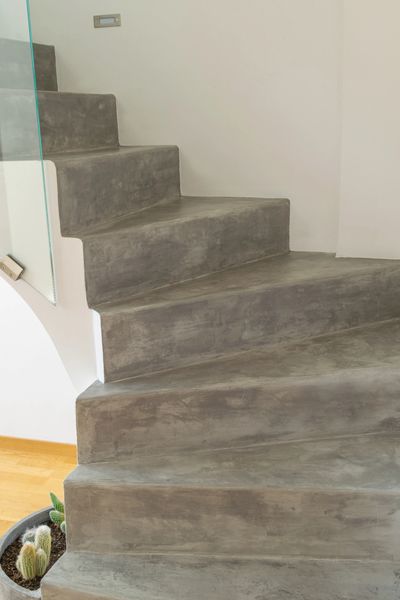
Microcement Info
Microcement (sometimes known as microconcrete or microtopping) is a thin, cement-based coating that is layered up to create a seamless, modern, and highly durable surface.
Advantages of Microcement
- Waterproof (when sealed) — ideal for bathrooms, wet rooms, and kitchens
- Hard-wearing and crack-resistant
- No need to remove existing tiles or floors
- Easy to clean and maintain
Composition
Microcement is a mix of:
- Cement (for strength)
- Polymers / resins (for flexibility and adhesion)
- Fine aggregates (like silica or quartz for texture)
- Pigments (for color)
- Sealants (to protect the surface)
Look & Finish and where to use
- Completely Seamless, no grout lines
- It can mimic concrete, stone, or even metal finishes depending on the technique
- Available in matte, satin, or glossy finishes
- It can be used in most areas including Wetrooms and Floors as well as work top surfaces
- Popular for industrial, minimalist, and contemporary aesthetic
Application:
It’s applied in very thin layers by hand in multiple coats over almost any solid surface — concrete, tiles, plasterboard, Ply etc. Typically 2–3 mm thick — but it’s strong enough to handle heavy foot traffic once sealed.
After curing, it’s sealed with a polyurethane or epoxy topcoat for waterproofing and stain resistance.